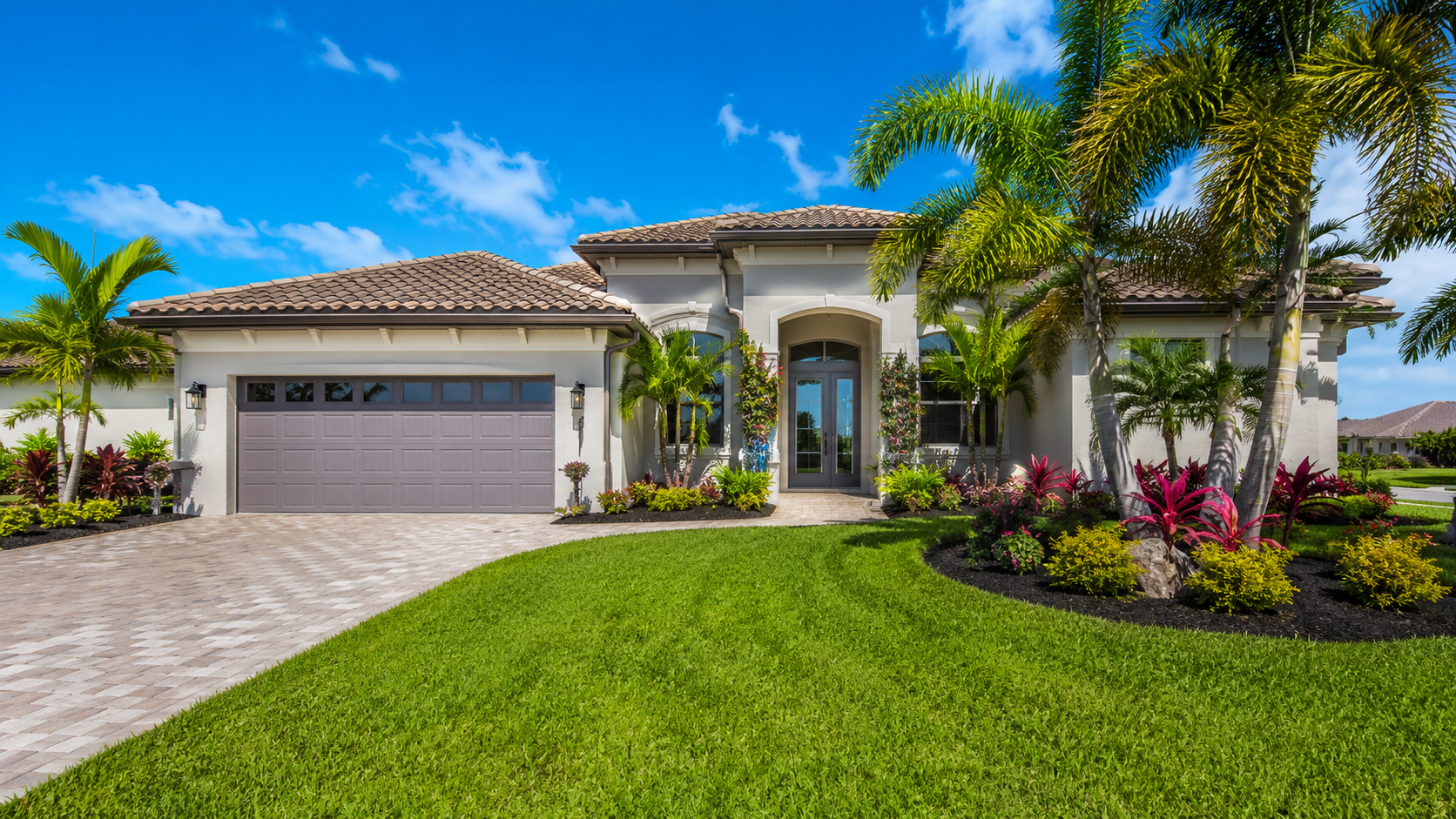
Keeping a yard looking good in Cape Coral takes more than mowing once in a while.
Florida lawns and landscapes deal with heat, humidity, heavy rain, sandy soil, weeds, pests, irrigation rules, hurricane season, and fast-growing plants. One month the yard looks fine, then a few weeks later the grass is patchy, the palms need trimming, the mulch has washed out, weeds are spreading, and the irrigation system is not covering evenly.
The good news is that basic lawn and landscape maintenance does not have to be complicated.
If you understand the basics of mowing, watering, mulch, weeds, drainage, palm care, and storm-safe landscaping, you can keep your property looking better and avoid many common problems.
This guide covers practical lawn and landscaping tips for Cape Coral homeowners, what you can usually handle yourself, and when it may be time to call a landscaper, lawn care company, irrigation company, or tree trimming professional.
CapeCoralNow is not currently recommending a specific landscaping or lawn care company. As we continue building local home services resources, we may feature trusted Cape Coral providers in the future. For now, use this guide to better understand how to maintain your yard and when professional help may make sense.
Table of Contents
Why Landscaping Matters in Cape Coral
A well-maintained yard does more than make your home look nice.
In Cape Coral, landscaping can affect:
- Curb appeal
- Property value
- Drainage
- Storm safety
- Weed control
- Pest pressure
- Irrigation efficiency
- Outdoor comfort
- HOA compliance
- Overall home maintenance
Because many Cape Coral homes have lanais, pools, palm trees, waterfront areas, paver driveways, tropical plants, and irrigation systems, landscaping is part of everyday property care.
A neglected yard can create bigger issues, including standing water, overgrown trees, clogged drains, damaged screens, weed takeover, pests, and storm debris.
The goal is not to have a perfect yard every day. The goal is to keep the landscape healthy, manageable, and ready for Florida conditions.
1. Mow at the Right Height
Mowing too short is one of the most common lawn care mistakes.
Many Florida lawns, especially St. Augustinegrass, do better when they are not scalped. Cutting the grass too low can stress the lawn, expose soil, encourage weeds, and make it harder for grass to handle heat and drought.
A good rule is to avoid removing more than one-third of the grass blade at one time.
For example, if your lawn has grown tall, do not cut it extremely short in one pass. Raise the mower height and gradually bring it back under control.
Good mowing habits include:
- Keep mower blades sharp
- Avoid mowing wet grass
- Change mowing direction occasionally
- Do not scalp the lawn
- Leave healthy clippings when possible
- Mow more often during fast growth periods
- Mow less often during drought or slow growth
If your lawn is mostly weeds, patchy, or uneven, mowing alone will not fix it. You may need soil improvement, irrigation changes, pest control, sod replacement, or professional lawn care.
2. Water the Lawn Correctly
Watering is one of the trickiest parts of Cape Coral lawn care.
Too little water can stress the grass. Too much water can waste resources, encourage disease, create shallow roots, and contribute to drainage problems.
Before watering, always check Cape Coral’s current irrigation rules. Watering schedules can change based on water supply, drought conditions, and local restrictions.
In general, healthy watering means:
- Watering deeply when needed
- Avoiding daily shallow watering
- Watering early in the day when allowed
- Watching for signs of drought stress
- Adjusting for rain
- Avoiding runoff onto sidewalks and streets
- Making sure sprinklers are not hitting the house
- Fixing broken heads quickly
Signs your lawn may need water include folded grass blades, a bluish-gray color, footprints that remain visible, or dry patches that do not bounce back.
Signs you may be overwatering include mushrooms, soggy areas, runoff, fungus problems, constant weeds, and grass that seems weak despite frequent watering.
3. Check Your Irrigation System
Many Cape Coral homes rely on irrigation systems, but sprinklers do not always work evenly.
A broken sprinkler head, clogged nozzle, misdirected spray, or bad zone can create dry spots, wet spots, and wasted water.
Walk the yard while the system is running and check:
- Are all sprinkler heads popping up?
- Are any heads broken?
- Are nozzles clogged?
- Is water spraying the driveway, sidewalk, street, fence, or house?
- Are some areas getting too much water?
- Are some areas staying dry?
- Are zones running too long?
- Are plants with different water needs grouped together?
- Is the controller schedule still correct?
- Is the rain sensor working?
This is one of the best DIY checks a homeowner can do.
If the system has poor coverage, low pressure, leaks, electrical issues, or controller problems, call an irrigation professional.
4. Use Mulch the Right Way
Mulch is useful in Florida landscaping because it helps conserve moisture, reduce weeds, protect soil, and make planting beds look cleaner.
Good mulch habits include:
- Keep mulch around 2 to 3 inches deep in most beds
- Keep mulch away from the base of tree trunks
- Avoid piling mulch against plant stems
- Refresh mulch when it breaks down
- Use mulch to reduce bare soil
- Keep mulch from washing into drains or pools
- Choose mulch that fits the landscape style
One common mistake is creating “mulch volcanoes” around trees. Piling mulch high against trunks can hold moisture against the bark and create problems.
Mulch should be spread like a wide, shallow donut around trees, not packed against the trunk.
For Cape Coral homes, mulch can also help planting beds look cleaner through rainy season and reduce weed pressure around tropical plants.
5. Stay Ahead of Weeds
Weeds grow fast in Florida.
If you wait until they take over, the job gets much harder.
Common weed prevention tips include:
- Mow at the proper height
- Keep turf healthy and dense
- Mulch planting beds
- Pull weeds before they seed
- Avoid overwatering
- Fix thin lawn areas
- Keep edging clean
- Do not spread weed seeds through clippings
- Use herbicides carefully and only as directed
The best weed control is a healthy lawn and well-maintained beds. Weak grass leaves room for weeds to move in.
If weeds keep returning, the real problem may be poor turf health, improper irrigation, compacted soil, pests, disease, or mowing too short.
For serious weed issues, a lawn care company may be worth calling.
6. Choose Florida-Friendly Plants
Not every beautiful plant belongs in a Cape Coral yard.
Some plants need too much water, struggle in sandy soil, attract pests, grow too large, or create problems during storms.
Florida-Friendly Landscaping focuses on choosing the right plant for the right place.
Before adding plants, consider:
- Sun exposure
- Soil conditions
- Salt tolerance if near waterfront areas
- Mature plant size
- Water needs
- Wind tolerance
- Maintenance requirements
- Root behavior
- Distance from the home
- Distance from power lines
- Drainage patterns
Native and Florida-adapted plants can often handle local conditions better than plants that need constant attention.
This does not mean every plant has to be native. It means your landscape should match Florida’s climate instead of fighting it.
7. Group Plants by Water and Light Needs
A common landscaping mistake is putting plants with very different needs in the same bed.
One plant wants full sun and dry soil. Another wants shade and more moisture. The irrigation system treats them the same, and one of them suffers.
When planning beds, group plants by similar needs:
- Full sun plants together
- Shade plants together
- Drought-tolerant plants together
- Higher-water plants together
- Salt-tolerant plants where needed
- Wind-tolerant plants in exposed areas
This makes watering easier and helps plants stay healthier.
It also saves time because you are not constantly trying to force the wrong plant to survive in the wrong spot.
8. Trim Palms Carefully
Palms are part of the Cape Coral look, but they need proper care.
Over-pruning palms can stress the tree and make it look unnatural. Many palms do not need aggressive trimming.
General palm trimming tips:
- Remove dead or clearly dying fronds
- Do not remove healthy green fronds unnecessarily
- Avoid hurricane cutting
- Do not overtrim into a tight “hurricane cut” shape
- Remove loose seed pods or fruit when needed
- Be careful with tall palms
- Never work near power lines
- Use clean, sharp tools
The goal is to keep palms healthy and safe, not stripped.
Tall palms, heavy fronds, palms near roofs, and palms near power lines should usually be handled by a professional tree trimming company.
9. Watch Tree Placement and Growth
Trees can add shade, beauty, privacy, and value, but they can also create problems if planted in the wrong place.
Before planting or keeping large trees, consider:
- How tall will it get?
- How wide will it spread?
- Is it close to the roof?
- Is it near power lines?
- Is it near the driveway or sidewalk?
- Will roots affect pipes, pavers, seawalls, or foundations?
- Is it wind-resistant?
- Does it drop heavy limbs or messy fruit?
- Will it shade out grass?
In storm-prone areas, tree placement matters.
Large trees should not be planted too close to the house, power lines, pool cages, or structures.
If you already have large trees close to the home, have them evaluated before hurricane season.
10. Make the Landscape More Storm-Safe
Cape Coral landscaping should be planned with storms in mind.
Storm-safe landscaping does not mean removing every tree or palm. It means reducing obvious risks.
Before hurricane season:
- Remove dead branches
- Trim weak or broken limbs
- Clear yard debris
- Secure loose planters
- Move lightweight decor indoors
- Check trees leaning toward the home
- Avoid stacking debris near the curb before a storm
- Keep gutters and drains clear
- Remove loose palm fronds when safe
- Inspect fences and trellises
- Secure outdoor furniture
Long term, choose stronger trees and shrubs, plant large trees away from structures, and avoid landscapes full of loose objects that can become projectiles.
If trimming involves tall trees, ladders, chainsaws, or power lines, call a professional.
11. Improve Drainage Around the Yard
Drainage is a big part of Florida yard care.
Heavy rain can expose low spots, clogged drains, poor grading, and areas where water sits too long.
After a heavy rain, walk the yard and look for:
- Standing water
- Muddy areas
- Water near the foundation
- Water flowing toward the house
- Soggy planting beds
- Washed-out mulch
- Erosion near downspouts
- Pool deck drainage issues
- Water collecting near the lanai
- Irrigation runoff
Some standing water after intense rain may be temporary. But if the same area stays wet for long periods, it may need attention.
Possible fixes may include regrading, French drains, swales, downspout extensions, better plant selection, improved soil, or irrigation adjustments.
Drainage issues can affect landscaping, foundations, pests, mosquitoes, mold risk, and outdoor usability.
12. Keep Gutters and Downspouts Clear
Gutters help protect both the home and landscaping.
If gutters overflow, water can damage planting beds, wash away mulch, flood low areas, and contribute to moisture problems.
Check gutters for:
- Leaves
- Palm debris
- Sagging sections
- Leaks
- Downspouts draining too close to the home
- Water stains on fascia
- Plants growing in gutters
- Washout below rooflines
If gutters are high, damaged, or unsafe to clean, call a gutter company or handyman.
This is especially important before storm season.
13. Manage Lawn Pests Responsibly
Florida lawns can deal with insects, disease, fungus, and other problems.
Common signs something is wrong include:
- Brown patches
- Yellowing grass
- Spreading dead areas
- Grass pulling up easily
- Chewed blades
- Unusual thinning
- Increased weeds
- Mushrooms or fungal spots
Do not automatically dump fertilizer or pesticide on the lawn without knowing the problem.
Too much product can make things worse, waste money, or harm the landscape.
If the issue keeps spreading, take photos and consider contacting a lawn care professional or local extension resource.
Correct diagnosis matters.
14. Fertilize Carefully
Fertilizer can help lawns and plants, but more is not always better.
Over-fertilizing can lead to weak growth, thatch buildup, runoff concerns, pest problems, and wasted money.
Before fertilizing:
- Know your grass type
- Follow local rules
- Read product labels
- Apply the right amount
- Avoid applying before heavy rain
- Keep fertilizer off driveways and sidewalks
- Sweep granules back into the lawn
- Avoid fertilizing stressed or damaged grass without understanding the cause
Cape Coral homeowners should also pay attention to local fertilizer rules and seasonal restrictions, if applicable.
A lawn care company can help create a proper fertilization schedule if you do not want to manage it yourself.
15. Do Not Ignore Bare or Patchy Areas
Bare patches are not just ugly. They invite weeds.
Common causes include:
- Poor irrigation coverage
- Too much shade
- Pet damage
- Foot traffic
- Soil compaction
- Pest damage
- Disease
- Mowing too short
- Poor drainage
- Incorrect grass type
Before replacing sod, figure out why the area failed.
If you lay new sod over the same problem, it may fail again.
For example, if the issue is shade, you may need a different groundcover instead of more turf. If the issue is irrigation, fix coverage first. If pests are the cause, treat the pest problem before replacing grass.
16. Maintain Edges and Hardscapes
A clean landscape often comes down to details.
Keep edges tidy around:
- Driveways
- Sidewalks
- Pool decks
- Lanais
- Planting beds
- Pavers
- Fences
- Mailboxes
- Walkways
Regular edging makes the yard look maintained even when the landscape is simple.
Also watch for weeds growing between pavers, cracks, and borders. Small weeds are much easier to manage than mature ones with deep roots.
17. Protect the Pool Area
If you have a pool, landscaping affects pool maintenance.
Plants too close to the pool can drop leaves, flowers, seeds, berries, and debris into the water.
Consider:
- How much debris plants drop
- Whether roots may affect the deck
- Whether plants attract bees near seating areas
- Whether mulch washes into the pool
- Whether irrigation sprays into the pool
- Whether palms drop fronds near the enclosure
- Whether plants block airflow around the lanai
Pool-friendly landscaping should look good without constantly creating extra pool cleaning.
18. Think About Maintenance Before Adding New Landscaping
Before installing new plants, trees, rock beds, mulch beds, palms, lighting, or hardscaping, ask one question:
How much work will this require six months from now?
A low-maintenance yard is usually planned that way.
Before adding new landscaping, consider:
- Water needs
- Pruning needs
- Leaf drop
- Pest issues
- Mature size
- Storm risk
- Root growth
- HOA rules
- Irrigation coverage
- Sun and shade changes
- Mulch replacement
- Weed control
A beautiful but high-maintenance design can become frustrating fast.
If you want a major landscape upgrade, it may be worth hiring a landscape designer or professional landscaper.
19. Simple Monthly Landscaping Checklist
Use this checklist to stay ahead of common problems.
Weekly or As Needed
- Mow at the proper height
- Edge driveways and walkways
- Pull visible weeds
- Check for dry spots
- Remove fallen branches or palm fronds
- Keep pool area clear of plant debris
Monthly
- Check irrigation coverage
- Inspect sprinkler heads
- Trim small shrubs
- Refresh mulch where needed
- Look for pests or brown spots
- Check drainage after rain
- Clean up overgrown beds
- Check palms for dead fronds
- Inspect plants near the house
Before Storm Season
- Trim dead branches
- Remove yard debris
- Secure loose planters
- Check large trees
- Clear gutters and drains
- Move lightweight decor indoors
- Inspect fences and trellises
- Make sure palm fronds are not hanging dangerously
After Heavy Rain
- Look for standing water
- Check mulch washout
- Inspect drainage paths
- Watch for fungus or lawn disease
- Check irrigation settings
- Look for new weeds
When to Call a Professional
Many homeowners can handle basic mowing, weeding, watering checks, and small plant maintenance.
But professional help may make sense if:
- The lawn has large dead areas
- Weeds keep spreading
- Irrigation coverage is poor
- Sprinkler heads or valves are broken
- Palms are too tall to trim safely
- Trees are near the home or power lines
- Drainage problems keep returning
- You need sod installed
- You want a full landscape redesign
- You are preparing for storm season
- You own a seasonal property
- You do not have time for regular maintenance
Depending on the problem, you may need a landscaper, lawn care company, irrigation company, tree trimming service, drainage contractor, or handyman.
The right professional can save time and prevent small yard issues from becoming expensive property problems.
Final Thoughts
Maintaining your lawn and landscaping in Cape Coral is about consistency.
Mow at the right height, water wisely, check irrigation, use mulch correctly, manage weeds early, trim palms carefully, choose Florida-friendly plants, improve drainage, and keep the yard storm-ready.
A healthy landscape does not have to be complicated, but it does need regular attention.
CapeCoralNow is not currently recommending a specific landscaping, lawn care, irrigation, or tree trimming company. As this resource grows, we may feature trusted local providers in the future.
For now, use this guide to keep your yard cleaner, healthier, and easier to manage in Florida’s heat, rain, and storm season.
Frequently Asked Questions
How often should I mow my lawn in Cape Coral?
It depends on the grass type, weather, rain, and growth rate. During fast growth periods, many lawns need mowing weekly. During dry or slower growth periods, mowing may be less frequent. Avoid cutting off more than one-third of the grass blade at one time.
How often should I water my lawn in Cape Coral?
Watering depends on your lawn, soil, rainfall, and current local watering rules. Always check Cape Coral’s current irrigation schedule before watering. In general, deep, less frequent watering is better than shallow daily watering.
What is Florida-Friendly Landscaping?
Florida-Friendly Landscaping is a science-based approach to yard care that focuses on choosing the right plant for the right place, watering efficiently, fertilizing appropriately, mulching, managing pests responsibly, attracting wildlife, and protecting water resources.
Should I trim palm trees before hurricane season?
You should remove dead or dangerous fronds, but avoid over-pruning healthy green fronds. Tall palms, heavy fronds, and palms near homes or power lines should usually be handled by a professional.
When should I call a landscaper or lawn care company?
Call a professional if your lawn has major dead spots, weeds keep spreading, irrigation is not working correctly, drainage problems keep returning, palms or trees are unsafe to trim, or you want a landscape redesign.