
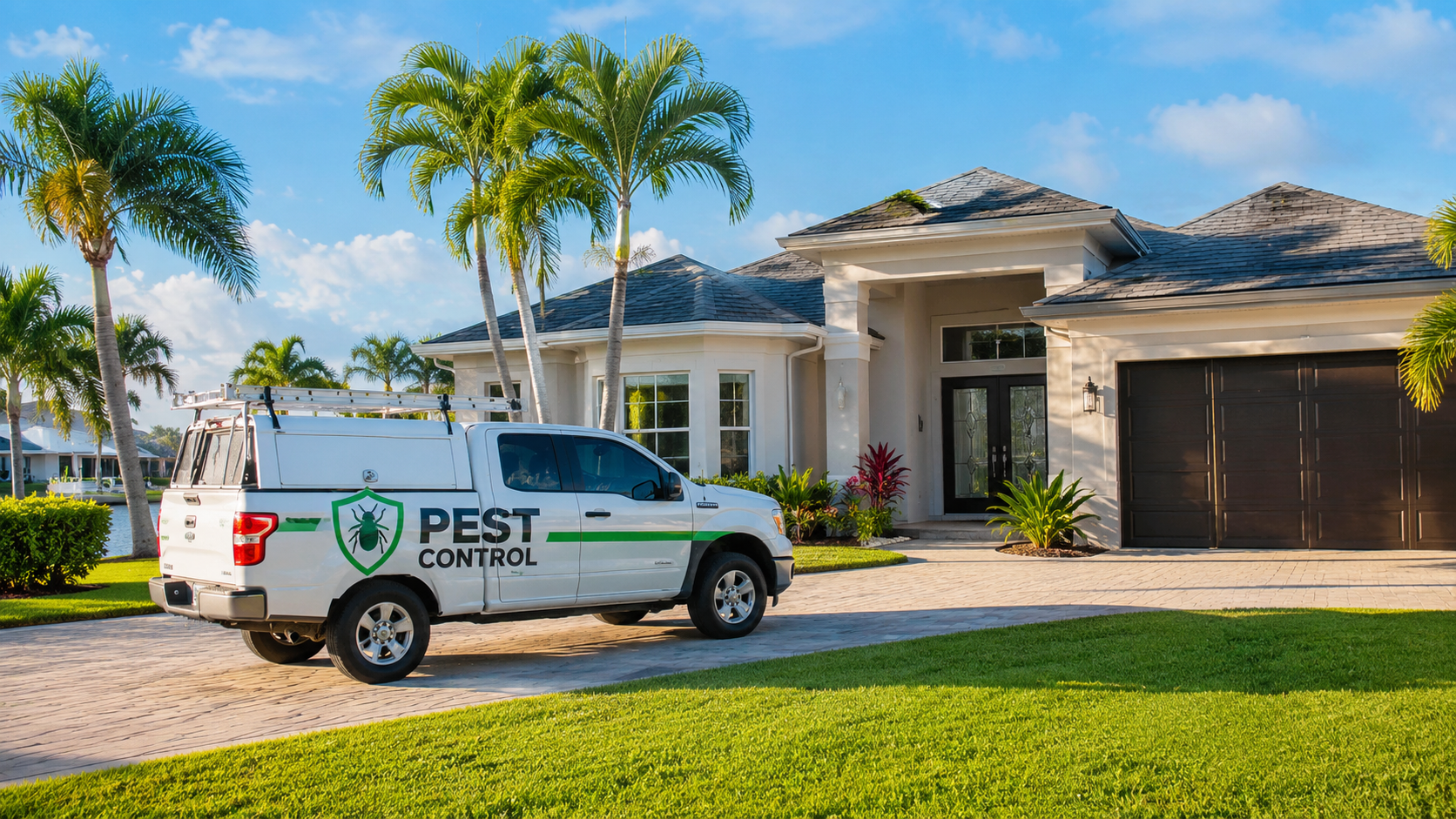
Bugs are part of life in Florida, but that does not mean they should be part of your home.
Cape Coral homeowners deal with heat, humidity, rain, standing water, tropical landscaping, lanais, pools, canals, garages, and year-round pest pressure. Ants, roaches, mosquitoes, termites, spiders, flies, and other pests can show up quickly if they find food, moisture, shelter, or a way inside.
The good news is that pest prevention is often more effective than waiting until there is a full problem.
A clean kitchen helps. So does sealing gaps, removing standing water, fixing screens, trimming landscaping, storing food properly, and watching for early warning signs.
This guide covers simple ways to keep bugs and pests out of your Cape Coral home, what homeowners can usually handle themselves, and when DIY sprays are no longer enough.
CapeCoralNow is not currently recommending a specific pest control company, termite treatment provider, mosquito control service, or lanai screen repair company. As we continue building local home services resources, we may feature trusted Cape Coral providers in the future. For now, use this guide to better understand how to prevent pest problems and when professional help may make sense.
Table of Contents
Why Pest Prevention Matters in Cape Coral
Florida pests love the same conditions that make Cape Coral attractive: warmth, water, shade, landscaping, and outdoor living spaces.
Around Cape Coral homes, pests may be attracted to:
- Standing water
- Food crumbs
- Pet food
- Trash cans
- Leaky pipes
- Damp areas
- Overgrown landscaping
- Mulch against the home
- Open garage doors
- Torn lanai screens
- Gaps around doors and windows
- Cracks around pipes or utility lines
- Wood touching soil
- Cluttered garages
- Yard debris
- Clogged gutters
The goal is not to eliminate every insect outside. That is not realistic in Florida.
The goal is to make your home less attractive and harder to enter.
1. Seal Gaps Around the Home
Many pest problems start with tiny openings.
Ants, roaches, spiders, lizards, rodents, and other pests can enter through surprisingly small gaps.
Walk around the outside of your home and look for openings around:
- Doors
- Windows
- Garage doors
- Sliding glass doors
- Utility lines
- Plumbing penetrations
- Dryer vents
- AC lines
- Foundation cracks
- Soffits
- Roof edges
- Lanai doors
- Screened enclosure connections
Inside the home, check:
- Under sinks
- Around pipes
- Behind appliances
- Around baseboards
- Around attic access points
- Behind toilets
- Around laundry hookups
- Around garage entry doors
Small gaps can often be sealed with caulk, weatherstripping, door sweeps, or appropriate sealants. Larger openings, damaged trim, gaps near roofing, or pest entry points that keep returning may need professional help.
Do not ignore garage doors. A worn bottom seal can leave enough space for pests to enter.
2. Keep Doors and Windows Tight
Cape Coral homes often have sliding doors, lanai doors, pool access doors, and large windows.
These are convenient, but they also create pest entry points if seals are worn or screens are damaged.
Check:
- Door sweeps
- Weatherstripping
- Sliding door tracks
- Window screens
- Door screens
- Garage door seals
- Lanai door closures
- Gaps around frames
- Loose thresholds
A small gap under a door can become an easy entry point for roaches, ants, spiders, and other pests.
If you can see daylight under a door, pests may be able to get in.
3. Repair Torn Lanai and Window Screens
Screens matter in Florida.
A screened lanai or pool cage can help keep mosquitoes, flies, wasps, lizards, and other pests away from your outdoor living space. But even small tears can create openings.
Inspect your screens for:
- Holes
- Tears
- Loose edges
- Damaged spline
- Screen doors that do not close fully
- Gaps around frames
- Bent frames
- Rusted or broken hardware
Pay special attention after storms, pressure washing, landscaping work, or pets pushing against screens.
Small screen repairs may be manageable for homeowners. Larger tears, high pool cage panels, damaged frames, or storm-related screen damage are usually better handled by a lanai screen repair professional.
4. Remove Standing Water
Standing water is one of the biggest mosquito problems around Florida homes.
Mosquitoes can breed in small amounts of water, so do not only look for obvious puddles.
Check:
- Buckets
- Flowerpots
- Plant saucers
- Birdbaths
- Pool covers
- Toys
- Trash can lids
- Coolers
- Tarps
- Boats
- Kayaks
- Gutters
- Yard drains
- Old tires
- Wheelbarrows
- Pet bowls
- Outdoor storage bins
- Low spots in the yard
- Lanai corners
- Pool equipment areas
After heavy rain, walk the property and dump anything holding water.
For items that must hold water, such as birdbaths or pet bowls, refresh them often.
If your yard has repeated standing water, you may have a drainage issue that needs attention. Mosquito control starts with moisture control.
5. Keep Trash Sealed and Clean
Trash attracts pests fast, especially in warm weather.
Roaches, ants, flies, rodents, and other pests are drawn to food scraps, sticky residue, and odors.
Good habits include:
- Use trash cans with tight-fitting lids
- Bag trash properly
- Rinse food containers before throwing them away
- Keep outdoor bins away from doors when possible
- Clean trash cans if they smell
- Do not let bags sit open in the garage
- Take trash out regularly
- Avoid leaving pet waste in the yard
- Keep recycling bins clean
If trash cans are stored in the garage, be extra careful. A dirty garage trash area can become a pest magnet.
6. Store Food Properly
Food storage is one of the simplest ways to reduce pest problems indoors.
Ants and roaches do not need much.
A few crumbs, open cereal box, sticky counter, or pet food bowl can attract pests.
Use sealed containers for:
- Cereal
- Rice
- Flour
- Sugar
- Pet food
- Snacks
- Pasta
- Bird seed
- Baking supplies
- Open pantry items
Other helpful habits:
- Wipe counters daily
- Sweep or vacuum crumbs
- Clean under appliances when possible
- Do not leave dirty dishes overnight
- Clean toaster crumbs
- Keep fruit from overripening on the counter
- Store pet food in sealed bins
- Do not leave pet food out overnight
A clean kitchen does not guarantee you will never see pests, but it makes your home less inviting.
7. Watch for Ant Trails
Ants are common in Florida homes.
Sometimes they show up after rain. Sometimes they come in looking for food or water. Sometimes they are nesting close to the home.
Look for ant trails around:
- Kitchen counters
- Sinks
- Windows
- Baseboards
- Pantry shelves
- Pet bowls
- Bathrooms
- Sliding doors
- Exterior walls
- Lanai doors
If you see ants, do not just spray the trail and move on.
Spraying may kill visible ants but fail to address the colony or entry point.
Better steps include:
- Clean the trail area
- Remove food sources
- Seal entry points
- Store food better
- Keep counters dry
- Use ant baits carefully according to the label
- Watch where ants are entering
If ants keep returning, spread to multiple rooms, or appear in large numbers, call a pest control professional.
8. Reduce Roach Attractants
Roaches are one of the pests Florida homeowners hate most.
They are attracted to food, moisture, warmth, and hiding places.
To reduce roach problems:
- Fix leaks
- Keep sinks dry when possible
- Clean food crumbs
- Store food in sealed containers
- Empty trash regularly
- Avoid clutter
- Clean under appliances
- Do not leave pet food out overnight
- Seal gaps around pipes
- Check cardboard boxes before bringing them inside
- Keep garage storage organized
Roaches often hide in dark, tight spaces.
Check under sinks, behind refrigerators, under dishwashers, behind stoves, in cabinets, around water heaters, and in garages.
If you are seeing roaches during the day, finding droppings, noticing egg cases, or seeing repeated activity despite cleaning, DIY sprays may not be enough.
9. Be Careful With DIY Sprays
Many homeowners reach for bug spray first.
Sometimes a small spot treatment can help, but sprays do not fix the reason pests are there.
If pests have food, water, shelter, and entry points, they may keep returning.
Also, pesticides must be used safely.
Always:
- Read the label
- Follow instructions exactly
- Keep products away from children and pets
- Avoid spraying food surfaces
- Avoid overusing products
- Do not mix chemicals
- Use products only where they are intended
- Ventilate as directed
- Store products safely
For recurring infestations, baits, sealing, sanitation, moisture control, and professional treatment may be more effective than repeatedly spraying visible bugs.
10. Keep the Garage Organized
Garages are common pest hiding spots in Cape Coral homes.
They often contain cardboard boxes, tools, lawn supplies, pet food, beach gear, fishing gear, holiday decorations, coolers, and stored household items.
To make the garage less pest-friendly:
- Use sealed plastic bins instead of cardboard
- Keep items off the floor when possible
- Store pet food in sealed containers
- Sweep regularly
- Check garage door seals
- Avoid leaving trash bags inside
- Remove standing water
- Reduce clutter
- Check for droppings
- Look behind stored items
Cardboard is especially attractive because pests can hide in it, chew it, or use it for nesting.
If you are moving items from storage into the house, inspect boxes first.
11. Trim Landscaping Away From the House
Landscaping can make a home look beautiful, but overgrown plants can create pest pathways.
Trim back:
- Shrubs touching the home
- Palm fronds against the roof
- Vines on walls
- Grass near the foundation
- Plants blocking vents
- Branches near windows
- Dense vegetation around AC units
- Mulch piled against the structure
Leave space between landscaping and the home so walls can dry after rain and pests have fewer hiding places.
This also makes it easier to inspect for termites, ants, roaches, and moisture problems.
12. Do Not Let Mulch Touch the House
Mulch helps landscaping, but it can hold moisture.
Avoid piling mulch directly against the home, siding, door frames, or wooden elements.
Keep mulch below weep holes, away from wood, and pulled back from the foundation where appropriate.
Too much moisture near the home can attract pests and make termite inspection more difficult.
If you love mulch beds, use them thoughtfully and keep them maintained.
13. Watch for Termite Warning Signs
Termites are a major concern in Florida.
Two common groups homeowners may encounter are subterranean termites and drywood termites.
Warning signs can include:
- Mud tubes on walls or foundations
- Swarming winged insects
- Discarded wings near windows or doors
- Wood that sounds hollow
- Blistered or damaged wood
- Tiny holes in wood
- Frass, which can look like small pellets
- Doors or windows that suddenly stick
- Bubbling paint that resembles water damage
- Soft or damaged trim
Termites are not a good DIY project.
If you suspect termites, call a licensed pest control or termite professional for an inspection. Waiting can allow more damage to happen.
14. Reduce Termite Risk Around the Home
You cannot make a Florida home completely termite-proof, but you can reduce risk.
Helpful steps include:
- Keep wood away from soil contact
- Store firewood away from the home
- Fix leaks quickly
- Improve drainage
- Avoid mulch piled against the structure
- Keep crawl spaces or hidden areas dry if applicable
- Remove dead wood and stumps
- Repair damaged exterior wood
- Make sure water drains away from the home
- Schedule termite inspections when appropriate
Moisture and wood are major termite concerns.
If your home has had termite treatment before, keep records and understand whether ongoing inspections or renewals are needed.
15. Control Mosquitoes Around the Yard
Mosquito prevention starts outside.
In Cape Coral, mosquitoes can be worse after rain, near standing water, around shaded areas, and in yards with containers or drainage problems.
To reduce mosquitoes:
- Dump standing water
- Clean gutters
- Empty plant saucers
- Store buckets upside down
- Keep pool water maintained
- Repair torn screens
- Use fans on patios
- Trim overgrown vegetation
- Refresh birdbath water
- Check boats, kayaks, and tarps
- Remove yard debris
- Cover or drain items that collect rainwater
If mosquitoes are intense even after removing standing water, or if the yard has drainage problems, professional mosquito control may be worth considering.
16. Protect the Lanai and Pool Area
The lanai is one of the most important pest-control zones in many Cape Coral homes.
It sits between indoor and outdoor living.
To reduce pests around the lanai:
- Repair screen tears
- Check door seals
- Keep food cleaned up
- Remove standing water
- Keep pool water balanced
- Clean outdoor furniture
- Avoid leaving pet food outside
- Sweep corners
- Remove dead bugs and debris
- Check for ants along tracks and frames
If pests are getting into the lanai constantly, inspect the screen enclosure carefully.
Sometimes the problem is not the pest spray. It is a damaged screen, gap, door sweep, or drainage issue.
17. Keep Drains Clean
Kitchen, bathroom, laundry, and floor drains can attract pests if they hold food residue, moisture, or organic buildup.
To reduce drain-related pests:
- Keep sinks clean
- Flush drains regularly
- Clean garbage disposals
- Avoid letting food sit in drains
- Fix slow drains
- Clean around sink stoppers
- Watch for drain flies
- Address sewer smells quickly
If you see small flies around drains, the issue may involve buildup inside the drain.
If smells or flies continue after cleaning, a plumber or pest control professional may be needed.
18. Know When DIY Is Not Enough
DIY prevention can help a lot, but there are times when sprays and cleaning are not enough.
Call a professional if you notice:
- Termite signs
- Roaches during the day
- Repeated roach sightings
- Ants returning after baiting and cleaning
- Rodent droppings
- Scratching sounds in walls or attic
- Mosquitoes that remain intense despite removing water
- Pest activity in multiple rooms
- Bites or stings inside the home
- Damaged screens you cannot safely repair
- Wood damage
- Pests coming from walls, outlets, or ceilings
- Infestation in a rental or seasonal property
- You are unsure what pest you are dealing with
The biggest mistake is waiting too long.
Small pest problems are usually easier to handle than established infestations.
19. Choose Prevention Over Panic
The best pest control strategy is boring but effective.
Remove what pests want:
- Food
- Water
- Shelter
- Access
That means sealing gaps, cleaning food sources, drying moisture, repairing screens, trimming landscaping, managing trash, fixing leaks, storing food properly, and checking for signs early.
Sprays can be part of a solution, but they should not be the whole plan.
A cleaner, drier, sealed home will usually have fewer pest problems than a home relying only on chemicals.
Simple Pest Prevention Checklist
Weekly
- Wipe kitchen counters
- Sweep crumbs
- Take trash out
- Check pet food bowls
- Dump standing water
- Walk the lanai for screen issues
- Watch for ants or roaches
- Clean spills quickly
Monthly
- Inspect door seals
- Check window screens
- Look under sinks for leaks
- Clean garage clutter
- Trim plants near the home
- Check for standing water after rain
- Inspect mulch near the foundation
- Look for termite signs
- Check drains for odors or flies
After Heavy Rain
- Dump water from containers
- Check gutters and downspouts
- Look for ant activity
- Inspect the lanai
- Check garage corners
- Watch for mosquitoes
- Remove wet debris
Before Storm Season
- Trim landscaping
- Repair screens
- Seal gaps
- Remove yard debris
- Check gutters
- Store outdoor items properly
- Inspect for termite or moisture issues
- Consider a professional inspection if pest activity is recurring
Final Thoughts
Keeping bugs and pests out of your Cape Coral home starts with prevention.
Seal gaps, remove standing water, store food properly, keep trash clean, repair lanai screens, trim landscaping, check for termites, and avoid relying only on DIY sprays.
Florida pests are persistent, but many problems can be reduced by making your home less attractive and harder to enter.
CapeCoralNow is not currently recommending a specific pest control company, termite treatment provider, mosquito control service, or lanai screen repair company. As this resource grows, we may feature trusted local providers in the future.
For now, use this guide to prevent common pest problems, spot warning signs early, and know when professional help makes sense.
Frequently Asked Questions
How do I keep bugs out of my Cape Coral home?
Start by sealing gaps, repairing screens, storing food in sealed containers, keeping trash clean, fixing leaks, removing standing water, trimming landscaping, and checking for pest warning signs regularly.
What attracts roaches in Florida homes?
Roaches are often attracted to food crumbs, grease, pet food, trash, moisture, clutter, leaks, cardboard, and gaps around doors, pipes, or cabinets. Cleaning helps, but recurring roaches may require professional treatment.
How can I reduce mosquitoes around my house?
Remove standing water from buckets, flowerpots, pool covers, toys, trash lids, gutters, birdbaths, boats, and other containers. Repair screens, keep the pool maintained, and address drainage problems.
What are signs of termites?
Common termite warning signs include mud tubes, swarming insects, discarded wings, hollow-sounding wood, tiny holes, frass pellets, blistered wood, soft trim, and doors or windows that suddenly stick.
When should I call a pest control company?
Call a professional if you suspect termites, see roaches repeatedly, have ants that keep returning, notice rodent signs, deal with heavy mosquitoes, or find pest activity spreading through multiple rooms.