
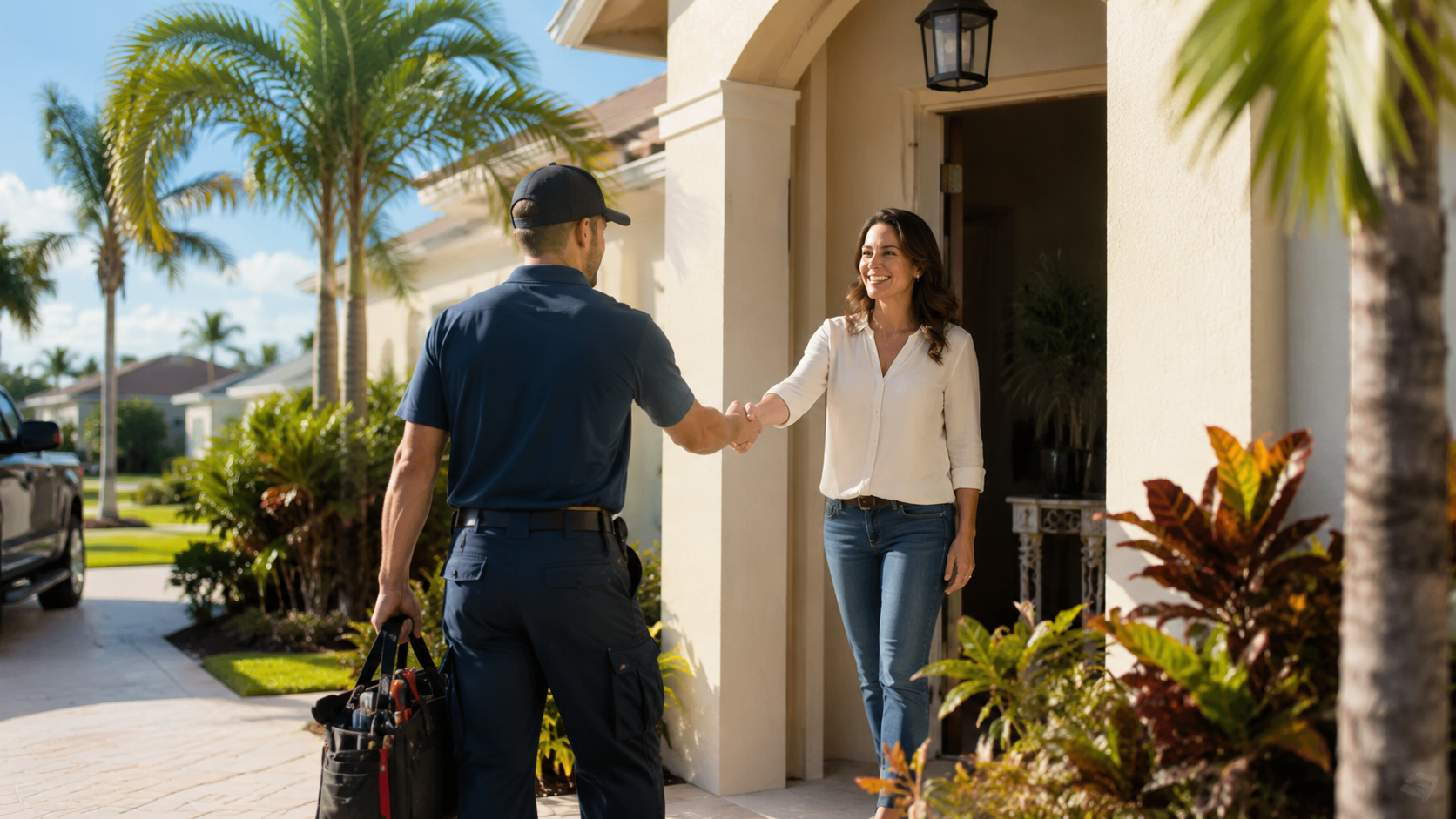
DIY home repairs can save money, teach you useful skills, and help you take better care of your home.
But not every repair should be DIY.
Some projects are simple, safe, and low-risk. Others can create water damage, fire hazards, structural problems, insurance issues, code violations, or expensive mistakes if they are done wrong.
For Cape Coral homeowners, this decision matters even more because Florida homes deal with heat, humidity, storms, roof exposure, AC strain, pools, lanais, plumbing leaks, mold risk, termites, docks, seawalls, and hurricane repairs. A small mistake can become a bigger problem fast in this climate.
The goal is not to call a professional for every little thing. The goal is to know the difference between a normal homeowner task and a repair that affects safety, structure, water, electricity, insurance, or permits.
This guide explains when DIY makes sense, when to call a professional, what repairs are risky, how permits fit into the decision, and how to choose the right pro for the job.
CapeCoralNow is not currently recommending a specific contractor, plumber, roofer, electrician, HVAC company, mold remediation company, handyman, or home service provider. As we continue building local home services resources, we may feature trusted Cape Coral providers in the future. For now, use this guide to make smarter home repair decisions.
Table of Contents
The Simple Rule for DIY vs Professional Repairs
A good rule is this: DIY is usually fine when the job is small, visible, low-risk, and easy to undo.
Calling a professional usually makes sense when the repair involves electricity, plumbing leaks, roofing, structural components, mold, gas, permits, insurance claims, storm damage, ladders, heavy equipment, hidden damage, or anything that could hurt someone if done incorrectly.
For example, replacing an AC filter is a good DIY task. Replacing an AC system is not.
Cleaning a small area of mildew on a hard bathroom surface may be reasonable. Removing mold inside walls after a leak is not.
Tightening a loose cabinet handle is DIY. Repairing water-damaged cabinets from a hidden plumbing leak may require a plumber, cabinet professional, and possibly mold remediation.
Painting a room is usually DIY. Rebuilding a storm-damaged exterior wall is not.
Before starting any repair, ask yourself what happens if you get it wrong. If the answer involves fire, flooding, injury, roof leaks, code issues, insurance problems, or more expensive damage, call a professional.
DIY Repairs That Are Usually Safe for Homeowners
Many home maintenance tasks are perfectly reasonable for a homeowner.
Changing AC filters, cleaning return vents, replacing batteries in smoke detectors, caulking small gaps, touching up paint, tightening loose hardware, replacing cabinet pulls, cleaning gutters from a safe height, replacing weatherstripping, cleaning screens, checking irrigation heads, replacing a toilet flapper, plunging a simple clog, replacing a showerhead, sealing small pest entry gaps, and cleaning outdoor surfaces gently are all common DIY tasks.
The key is that these jobs are usually visible and limited. You can see what you are doing, the risk is low, and you are not making major changes to the home’s structure, wiring, plumbing, roof, or mechanical systems.
Even with simple DIY work, use common sense. Turn off water when working near plumbing. Turn off power when replacing anything electrical like a light fixture or switch cover, and do not go beyond your skill level. Use the right ladder, wear eye protection when needed, and stop if the repair becomes more complicated than expected.
DIY is not about proving you can do everything. It is about doing the right small jobs safely.
When a Handyman May Be Enough
Some repairs are not worth calling a specialized contractor, but they may still be more than you want to handle yourself.
That is where a good handyman can help.
A handyman may be a good fit for small repairs like replacing damaged trim, fixing minor drywall damage, adjusting doors, installing shelves, repairing small screen issues, replacing weatherstripping, fixing loose fixtures, hanging blinds, assembling items, patching small holes, repairing fence gates, and handling small maintenance jobs.
But a handyman is not the right choice for every repair. Electrical work, plumbing work, roofing, HVAC, structural repairs, major storm damage, mold remediation, and permitted work may require licensed professionals.
Before hiring a handyman, be clear about the job. If the work touches wiring, pipes, roof structure, load-bearing areas, or anything that may need a permit, verify whether a licensed contractor is required.
Electrical Work: Know Your Limits
Electrical work is one of the clearest areas where homeowners should be careful.
Replacing a light bulb, resetting a breaker, or changing batteries in a smoke detector is normal homeowner maintenance. But wiring, panels, outlets, breakers, outdoor electrical, pool equipment, dock power, and anything that repeatedly trips a breaker should be handled carefully.
Call an electrician if you notice flickering lights, burning smells, buzzing outlets, warm switches, sparks, breakers that keep tripping, exposed wires, damaged outdoor outlets, pool equipment electrical issues, or dock electrical concerns.
This is especially important in Cape Coral homes with pools, boat lifts, outdoor kitchens, lanais, landscape lighting, generators, and waterfront electrical systems. Water and electricity are a dangerous combination.
Do not guess with electrical work. A mistake can create fire risk, shock risk, equipment damage, or insurance problems.
Roof Work: Be Extra Careful
Roof work is another area where DIY can become dangerous quickly.
Even if the repair seems simple, roofs involve fall risk, hidden water damage, insurance concerns, structural issues, Florida Building Code requirements, and storm resistance.
You may be able to look at the roof from the ground, clean minor debris from safe areas, or notice missing shingles, cracked tiles, stains, or sagging. But climbing on the roof to repair shingles, tiles, flashing, vents, or storm damage is risky.
Call a roofer if you see missing shingles, cracked or slipped tiles, roof leaks, ceiling stains, loose flashing, sagging areas, storm damage, damaged vents, or recurring moisture near the attic or ceiling.
Cape Coral homeowners should also be careful after storms. Some damage is not obvious from the ground. If you suspect roof damage, document what you can safely see and call a licensed roofing professional.
Plumbing Leaks: Small Fix or Big Problem?
Some plumbing tasks are manageable for handy homeowners. Replacing a toilet flapper, cleaning a faucet aerator, tightening a simple visible connection, replacing a showerhead, or plunging a minor clog can be reasonable.
But plumbing problems get expensive when water escapes into places it should not be.
Call a plumber if there is active leaking, water under cabinets, water around the toilet base, sewer smells, multiple slow drains, water stains, low pressure throughout the home, water heater leaks, washing machine hose issues, refrigerator water line leaks, or a shutoff valve that does not work.
In Florida, moisture problems can become mold and cabinet damage quickly. A small leak behind a wall, under flooring, or near a water heater can cause much more damage than the plumbing repair itself.
A good rule is this: if you cannot clearly see the leak, shut off the water, and fix the problem confidently, call a plumber.
Water Heater Repairs Are Usually Not DIY
Water heaters are not something to experiment with.
You can visually inspect your water heater for rust, moisture, dripping, corrosion, or unusual sounds. You can keep the area around it clear and notice early warning signs.
But repairs involving water heater wiring, heating elements, gas lines, pressure relief valves, tanks, leaks, or replacement should usually be handled by a professional.
Call a plumber or water heater specialist if the tank is leaking, hot water is inconsistent, the unit makes rumbling or popping noises, rusty water appears, fittings are corroded, or the water heater is older and showing signs of failure.
A failed water heater can flood a garage, utility room, closet, or nearby living area. Do not wait until a small warning sign becomes a full replacement emergency.
Mold and Mildew: Surface Cleaning vs Hidden Damage
Florida homes are prone to mold and mildew because of humidity, leaks, storm damage, AC issues, and closed-up spaces.
Small surface mildew on a hard bathroom surface may be manageable with normal cleaning. But mold caused by leaks, flooding, hidden moisture, or contaminated water is different.
Call a professional if mold covers a larger area, keeps returning, appears after water damage, is inside walls or ceilings, involves carpet or insulation, follows flooding, or creates strong musty odors.
You should also call a professional if anyone in the home has asthma, allergies, immune concerns, or other health sensitivities.
The most important part of mold control is finding and fixing the moisture source. Cleaning visible mold without fixing the leak, humidity problem, AC issue, or water intrusion usually means the problem will return.
AC and HVAC Repairs
Basic AC maintenance is a homeowner task. Changing filters, keeping vents open, cleaning return grilles, clearing leaves from around the outdoor unit, and checking thermostat settings are all reasonable DIY steps.
But HVAC repairs should usually be handled by a professional.
Call an HVAC company if the AC is blowing warm air, freezing up, leaking water, making unusual sounds, short cycling, tripping breakers, struggling with humidity, or not keeping up during hot weather.
Cape Coral homeowners rely on AC for comfort and humidity control. If the system stops working while you are away, indoor humidity can rise and create mold or mildew issues.
Do not try to repair refrigerant lines, electrical components, motors, capacitors, coils, or drain issues beyond basic homeowner maintenance unless you are qualified.
Structural Issues Are Not DIY
Structural repairs should almost never be guessed at.
Cracks, sagging floors, shifting walls, damaged beams, major settlement, storm impact, roof framing issues, balcony concerns, seawall movement, dock structural problems, and major water damage can all involve structural questions.
Call a professional if a wall appears to bow, floors feel soft, doors suddenly stop closing, cracks widen, rooflines sag, stairs feel unstable, or outdoor structures move in ways they should not.
For Cape Coral waterfront homes, structural concerns may also involve seawalls, docks, boat lifts, lanais, pool cages, and exterior supports. These are not just cosmetic issues. They can affect safety and property value.
A contractor, structural engineer, dock builder, seawall contractor, or specialty professional may be needed depending on the issue.
Pool, Lanai, Dock, and Outdoor Living Repairs
Cape Coral homes often have features that generic home repair guides do not cover well.
Pools, screened lanais, pool cages, docks, boat lifts, seawalls, pavers, irrigation systems, outdoor kitchens, and waterfront electrical all require specific judgment.
You may be able to clean a pool deck, rinse screens, check for small tears, inspect dock boards visually, or clear debris around outdoor areas. But repairs involving pool equipment, tall pool cage panels, structural aluminum frames, boat lift cables, marine electrical, seawalls, or dock pilings should usually be handled by professionals.
The risk is not just the repair itself. It is what the repair supports. A boat lift carries a boat. A pool cage is a large structure. A seawall protects the property edge. Dock electrical sits near water. Pool equipment connects water and electricity.
Those are not areas to guess.
Storm Damage Changes the Decision
After a storm, homeowners often want to clean up and repair everything immediately.
That is understandable, but storm damage is one of the times when you need to slow down and document first.
Take photos and videos before moving damaged materials, if it is safe. Protect the home from further damage where possible, but avoid making major repairs before understanding insurance, permit, and contractor requirements.
Call a professional if storm damage involves the roof, electrical systems, flooding, water intrusion, structural movement, broken windows, damaged doors, pool cage damage, fallen trees on structures, seawall damage, dock damage, or mold risk.
Do not climb on a damaged roof, walk under unstable trees, enter flooded electrical areas, or use damaged equipment.
Storm damage can also involve permits, insurance claims, inspections, and code requirements. A quick DIY repair can create problems later if the work should have been permitted or documented.
Permits Matter More Than Many Homeowners Realize
Permits can feel like a hassle, but they exist for important reasons.
They help ensure certain work is reviewed, inspected, and completed to code. That matters for safety, insurance, resale, storm resistance, and compliance.
In Cape Coral, permits may be needed for many types of work, including major repairs, remodels, structural changes, roof work, electrical work, plumbing work, HVAC changeouts, pool work, screen enclosures, docks, boat lifts, seawalls, and storm-damage repairs.
Cape Coral specifically reminds residents that permits are required for storm-damage home repairs to ensure work meets Florida Code standards. The city also notes that repairs in Special Flood Hazard Areas can require permits, including work involving drywall, baseboards, flooring, cabinets, electrical, and plumbing.
If you are not sure whether a repair needs a permit, check before starting. A licensed contractor should know the requirements, but the homeowner still has an interest in making sure the work is handled properly.
Unpermitted work can cause problems during inspections, insurance claims, refinancing, home sales, and future renovations.
Insurance Situations: Do Not Rush the Wrong Repair
If a repair may involve insurance, document before you fix.
This includes storm damage, roof leaks, water damage, flooding, fire damage, major plumbing leaks, mold, fallen trees, damaged pool cages, damaged docks, and structural issues.
Take photos and videos. Save receipts. Keep contractor estimates. Write down dates. If you make temporary repairs to prevent further damage, document those too.
Do not throw away damaged materials too quickly if they may be needed for an insurance claim, unless leaving them creates a safety or health issue.
Insurance situations are not the time for vague verbal agreements or random cash repairs. Use licensed professionals when needed, keep records, and make sure the work being done matches what your insurer, permit office, and contractor require.
How to Choose a Professional
Choosing the right professional matters just as much as deciding to call one.
Start by matching the pro to the job. A roofer should handle roof repairs. A licensed plumber should handle plumbing leaks. An electrician should handle electrical issues. An HVAC company should handle AC repairs. A mold remediation company should handle significant mold. A seawall contractor should inspect seawall movement. A dock or boat lift company should handle waterfront structural or lift issues.
Before hiring, ask for a written estimate, license information, insurance information, scope of work, timeline, warranty details, and whether permits are required.
Be cautious with anyone who pressures you to decide immediately, refuses to provide written details, asks for large upfront cash payments, says permits are unnecessary without explanation, cannot verify licensing, or shows up after storms pushing quick repairs.
A good contractor should be willing to explain the work, the risks, the permit situation, and what happens if hidden damage is found.
Red Flags When Hiring a Contractor
Some contractor warning signs should make you pause.
Be careful if someone only accepts cash, refuses to provide a written estimate, cannot show a license, uses high-pressure sales tactics, asks you to pull permits for work they should handle, tells you to ignore permits, offers a deal that sounds too good to be true, has no local presence, or cannot explain the scope of work clearly.
Storm season can attract unlicensed or unreliable contractors. After major weather events, homeowners may feel rushed, and that is when bad decisions happen.
Take a breath, verify the contractor, and get the details in writing.
A Simple DIY Decision Test
Before you start a repair, ask yourself five questions.
Can I do this safely? Do I understand the full problem? Could this cause water, fire, mold, structural, or electrical damage if I get it wrong? Does this require a permit? Would an insurance company, buyer, inspector, or future contractor care how this was repaired?
If the answer makes you hesitate, call a professional.
There is nothing wrong with DIY work. But there is a big difference between changing a filter and touching electrical wiring, between cleaning a patio and repairing a roof, between replacing a toilet flapper and chasing a hidden leak inside a wall.
The smartest homeowners know when to save money and when to protect the home.
When to Call a Professional Right Away
Some situations should not wait.
Call a professional right away if you have active water leaking, sewage backup, electrical burning smells, sparks, roof leaks during rain, storm damage, visible structural movement, mold from water damage, a leaking water heater, AC failure during extreme heat, a gas smell, a damaged pool cage, a failing boat lift cable, or a seawall that appears to be shifting.
If there is immediate danger, leave the area and contact emergency services or the appropriate utility provider.
For urgent home repairs, the first step is safety. The second step is preventing further damage. The third step is getting the right professional involved.
Final Thoughts
DIY home repairs can be a smart way to maintain your Cape Coral home, but only when the job is safe, simple, and low-risk.
Homeowners can usually handle small maintenance tasks like changing AC filters, cleaning screens, checking irrigation heads, caulking minor gaps, replacing simple hardware, cleaning surfaces, and spotting early warning signs.
But electrical work, roof repairs, plumbing leaks, mold, structural issues, storm damage, water heater problems, permits, insurance repairs, pool equipment, docks, boat lifts, seawalls, and major renovations should be approached carefully.
The question is not just “Can I do this myself?”
The better question is “What happens if this goes wrong?”
CapeCoralNow is not currently recommending a specific home service provider. As this resource grows, we may feature trusted Cape Coral contractors, plumbers, roofers, electricians, HVAC companies, mold specialists, handymen, pool companies, dock builders, and other local pros in the future.
For now, use this guide to make better repair decisions, protect your home, and know when calling a professional is the smarter move.
Frequently Asked Questions
What home repairs are usually safe to DIY?
Simple maintenance tasks are usually the safest DIY projects. These include changing AC filters, cleaning vents, replacing weatherstripping, tightening hardware, touching up paint, cleaning screens, replacing a toilet flapper, plunging a minor clog, and checking for early warning signs.
What repairs should homeowners not DIY?
Avoid DIY repairs involving electrical wiring, roof work, active plumbing leaks, water heaters, mold from water damage, structural damage, gas lines, storm damage, pool equipment, dock electrical, seawalls, or anything that may require a permit.
Do Cape Coral homeowners need permits for storm-damage repairs?
Permits may be required for storm-damage home repairs, and Cape Coral reminds residents that permits are required by Florida law to ensure work meets Florida Code standards. Special Flood Hazard Area repairs can have additional requirements, so homeowners should check with the city before starting work.
How do I know if a contractor is legitimate?
Ask for the contractor’s license information, verify it through Florida DBPR, request proof of insurance, get a written estimate, ask whether permits are needed, and avoid anyone who pressures you, refuses written details, or says permits are unnecessary without a clear explanation.
When should I stop DIY and call a professional?
Stop DIY when the repair affects safety, electricity, water, roofing, structure, mold, permits, insurance, or anything hidden behind walls, ceilings, floors, or major systems. If you are unsure whether you can fix it safely and correctly, call a professional.