For many Cape Coral homeowners, the dock is not just an add-on.
It is part of the lifestyle.
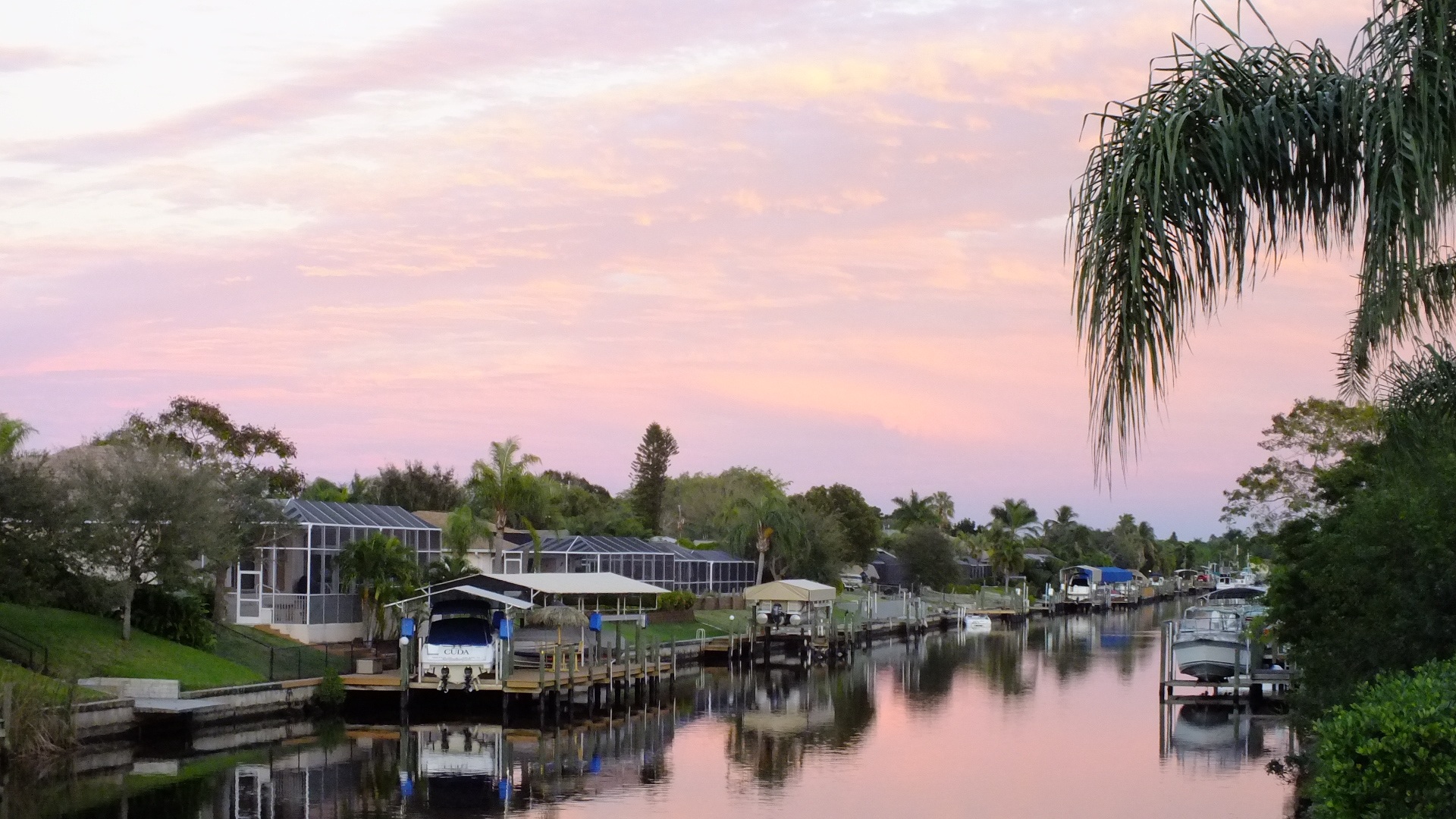
Whether your home sits on a freshwater canal, saltwater canal, Gulf-access canal, or waterfront lot with a boat lift, your dock area is one of the most valuable and useful parts of the property. It is where you launch the boat, fish with family, watch sunsets, rinse gear, tie up kayaks, and enjoy the reason so many people want to live in Cape Coral in the first place.
But docks and boat lifts need regular attention.
Sun, rain, salt air, canal water, boat wake, humidity, barnacles, corrosion, storms, electrical exposure, and daily use can all wear down waterfront structures over time. A loose board, frayed lift cable, rusted fastener, failing motor, damaged seawall, or unsafe electrical connection can become a serious and expensive problem if ignored.
The good news is that many issues can be spotted early with simple visual inspections and routine maintenance.
This guide covers how Cape Coral homeowners can maintain a dock or boat lift, what to check regularly, what warning signs matter, and when it is time to call a dock builder, boat lift company, marine electrician, or seawall contractor.
CapeCoralNow is not currently recommending a specific dock builder, boat lift company, marine electrician, or seawall contractor. As we continue building local home services resources, we may feature trusted Cape Coral providers in the future. For now, use this guide to understand what to look for and when professional help may make sense.
Table of Contents
Why Dock and Boat Lift Maintenance Matters in Cape Coral
Cape Coral is built around water.
With so many canals, seawalls, docks, boat lifts, and waterfront homes, dock maintenance is a very local part of homeownership. A generic home maintenance checklist is not going to cover what Cape Coral waterfront owners actually deal with.
Your dock and lift are exposed all year. Even if you do not use the boat every week, the structure is still sitting in sun, moisture, wind, and moving water. Hardware ages. Wood can soften. composite boards can loosen. Cables can fray. Motors can struggle. Electrical components can corrode. Barnacles and marine growth can build up. Seawalls can crack, shift, or show signs of erosion.
Routine inspections help you catch those problems before they affect safety, boat access, property value, or repair costs.
Start With a Simple Visual Inspection
The easiest maintenance habit is to simply look at the dock and lift regularly.
Walk the dock slowly and pay attention to anything that feels different. Does a board move under your foot? Does the dock feel uneven? Is one section lower than it used to be? Are fasteners sticking up? Is the lift making a new sound? Are cables wrapping unevenly? Is there corrosion around the motor or control box?
You do not need to diagnose every problem yourself. You just need to notice when something looks wrong.
A good visual inspection should include the walking surface, pilings, fasteners, ladders, cleats, bumpers, lift cables, motors, electrical components, seawall, and the waterline area around the dock.
If something looks unsafe, do not keep using it just because it has “always been fine.”
Check Dock Boards and Decking
Dock boards take a lot of abuse.
They sit in sun, rain, humidity, and water spray. They get walked on with wet feet, fishing gear, coolers, chairs, dock carts, and boating equipment. Over time, boards can crack, warp, rot, loosen, splinter, or shift.
Walk the dock and look for soft spots, raised edges, loose boards, cracked boards, missing screws, splinters, and uneven sections. If you have wood decking, pay close attention to areas that stay shaded or damp. If you have composite decking, look for loose boards, heat-related movement, damaged fasteners, and areas where the surface is becoming slick.
A single loose board may be a simple repair. Multiple soft areas, widespread movement, or structural sagging may point to a larger issue underneath.
Do not ignore tripping hazards. A dock is often used barefoot, in wet conditions, and while carrying gear. Small hazards can become injuries quickly.
Look at Fasteners, Cleats, and Hardware
Fasteners are easy to overlook until they fail.
Check screws, bolts, brackets, cleats, hinges, ladders, handrails, and dock accessories. Look for rust, corrosion, missing hardware, loose connections, bent brackets, or fasteners backing out.
Cleats deserve extra attention because they hold lines under load. A loose cleat can become a problem during wind, wakes, or storms. If a cleat moves when you pull on it, it needs attention.
Rust stains around hardware can be an early warning sign that fasteners are aging. Corrosion does not always mean the structure is failing, but it should not be ignored.
For important load-bearing hardware, replacement should be done with the right marine-grade materials. Using the wrong hardware near water can lead to faster corrosion and weaker connections.
Watch for Corrosion
Cape Coral waterfront structures deal with plenty of corrosion risk.
Saltwater exposure, brackish conditions, humidity, pool chemicals, irrigation overspray, and electrical components near water can all contribute to corrosion.
Look around the boat lift motor, control box, brackets, bolts, cables, pulleys, gearboxes, bunks, ladders, and dock hardware. Surface rust may be cosmetic in some places, but deep corrosion, flaking metal, pitted hardware, loose brackets, or corroded electrical parts are more serious.
Corrosion around the lift system should be taken seriously because the lift is carrying the weight of your boat. If a cable, bracket, pulley, or support component looks compromised, stop using the lift and call a boat lift professional.
Inspect Boat Lift Cables
Lift cables are one of the most important parts of a boat lift.
They carry heavy loads and move every time the lift raises or lowers. Over time, cables can fray, stretch, rust, kink, flatten, or wrap unevenly on the drum.
Look for broken strands, rust, uneven wrapping, twisting, slack, bird-caging, or cables that do not look evenly tensioned. If one side of the lift sits lower than the other, or the boat rises unevenly, there may be a cable or alignment issue.
Do not put your hands near moving cables, pulleys, or drums while the lift is operating.
If a cable looks frayed or damaged, do not keep using the lift and hope it holds. A cable failure can damage the boat, the lift, and anything nearby.
Listen to the Motor
A boat lift motor should sound fairly consistent.
If the motor suddenly sounds louder, slower, strained, grinding, buzzing, or inconsistent, pay attention. Motor issues can be caused by electrical problems, worn parts, gear issues, poor alignment, overload, corrosion, or lack of maintenance.
Also watch how the lift responds when you press the control. If it hesitates, starts and stops, moves unevenly, trips a breaker, or feels weaker than before, something may be wrong.
Do not keep forcing a struggling lift. That can turn a smaller repair into a larger one.
A boat lift company can inspect the motor, gearbox, wiring, switches, limit systems, and moving parts to find the problem safely.
Check Bunks, Guides, and Cradles
The bunks and cradle support the boat when it is lifted.
If they are misaligned, worn, loose, cracked, or covered in rough buildup, they can affect how the boat sits on the lift.
Look for worn carpet, loose bunk boards, missing hardware, uneven support, cracked wood, sharp edges, and signs that the boat is not resting evenly.
If the boat seems to lean, shift, or sit differently than it used to, do not ignore it. A boat that is not properly supported can put stress on the hull and lift.
Lift setup depends on the boat, weight, hull shape, and lift design, so adjustments are often best handled by a professional.
Watch for Barnacles and Marine Growth
Barnacles and marine growth can build up on pilings, lift components, ladders, seawall areas, and parts of the dock that stay wet.
Some growth is normal around the waterline, but heavy buildup can make surfaces rough, slippery, and harder to inspect. It can also add stress to certain components or hide damage.
Check around pilings, ladders, submerged hardware, lift posts, and seawall edges. Be careful when scraping or cleaning because barnacles can be sharp.
If growth is heavy or attached to important lift components, call a marine service professional. The wrong cleaning method can damage materials or create safety issues.
Keep the Dock Surface Clean and Safe
A dock can become slippery fast in Florida.
Rain, algae, fish residue, leaves, shade, and canal moisture can create slick areas on wood, composite, or concrete surfaces. A slippery dock is dangerous, especially when boarding a boat or carrying gear.
Sweep the dock regularly and rinse off dirt, leaves, and organic buildup. Use a gentle cleaning method that is appropriate for the surface. Avoid aggressive pressure washing on wood or older surfaces because it can gouge the material, raise the grain, or damage coatings.
If the dock stays slippery even after cleaning, there may be deeper surface wear, algae buildup, drainage problems, or a material issue that needs professional attention.
Be Careful With Electrical Components
Electrical safety around docks is extremely important.
Water and electricity are a dangerous combination. Dock lighting, outlets, boat lifts, shore power, motors, controls, and wiring should be treated seriously.
Look for warning signs such as flickering lights, tripped breakers, buzzing sounds, rusted electrical boxes, damaged conduit, exposed wires, cracked covers, loose outlets, burning smells, or equipment that works only sometimes.
Do not attempt DIY electrical repairs on dock wiring, boat lift wiring, shore power, or waterfront electrical systems unless you are qualified. This is not the same as replacing a light switch inside the house.
If you suspect an electrical issue, keep people out of the water near the dock and call a licensed electrician with marine or dock experience.
Do Not Swim Near Energized Dock Equipment
Even if everything looks normal, electrical hazards near docks can be invisible.
As a general safety rule, do not swim near docks with electrical equipment, boat lifts, shore power, or boats plugged into power.
This is especially important for families, rental homes, guests, and anyone who may not understand the danger. If there is any concern about electrical safety, shut off power if it is safe to do so and call a qualified professional.
A marine electrician can inspect dock power, lift wiring, grounding, bonding, GFCI protection, outlets, and other safety components.
Inspect the Seawall
The seawall is a major part of many Cape Coral waterfront properties.
If the seawall has problems, the dock and yard can eventually be affected too.
Walk the seawall and look for cracks, leaning sections, gaps, soil loss, sinkholes behind the wall, rust stains, exposed tiebacks, water flowing through areas it should not, or sections that seem to be moving.
Also watch the ground behind the seawall. Soft spots, settling pavers, dips in the lawn, or holes forming near the wall can be warning signs.
A seawall problem is not something to ignore. If you suspect movement, erosion, or structural damage, call a seawall contractor for an inspection.
Check Pilings and Structural Supports
Pilings and supports carry the dock and lift structure.
Look for cracking, shifting, leaning, severe marine growth, impact damage, loose connections, or areas where the piling appears damaged at the waterline.
If a piling looks like it has moved, or if the dock feels less stable than before, stop using that section until it is inspected.
Pilings can be affected by age, water movement, boat impact, storms, and construction quality. Repairs often require specialized equipment and should be handled by a dock builder or marine contractor.
Maintain Ladders, Bumpers, and Accessories
Dock accessories matter too.
Check ladders, bumpers, fenders, kayak racks, lights, hose reels, fish cleaning tables, gates, and dock boxes. Make sure everything is secure, functional, and not creating a trip hazard.
A loose ladder can be dangerous. Worn bumpers can allow boat impact damage. A cracked dock box can hold water and attract pests. Broken lighting can create nighttime safety issues.
Small accessory repairs are often easy to handle before they become bigger problems.
Prepare the Dock and Lift Before Storm Season
Storm prep is a big part of dock and boat lift maintenance in Cape Coral.
Before storm season, inspect the dock, lift, seawall, fasteners, cables, lines, electrical components, and loose items. Remove or secure anything that could become a projectile, including chairs, dock boxes, hoses, fishing gear, planters, kayaks, paddleboards, and loose storage items.
Make sure the boat is secured properly based on the situation and the advice of your marine professionals. Some homeowners remove boats before major storms. Others secure them on lifts or move them depending on storm risk, surge expectations, lift condition, and location.
Do not wait until a storm is close to discover that lift cables are frayed, the motor is struggling, or the dock has loose hardware.
Inspect After Storms
After heavy wind, rain, surge, or flooding, inspect the dock and lift once it is safe.
Look for shifted boards, loose hardware, damaged cleats, bent lift components, tangled cables, debris impact, electrical damage, seawall changes, and anything that looks different than before.
Do not turn on electrical equipment if it may have been flooded, damaged, or exposed to unsafe conditions. Do not operate a boat lift if cables are tangled, uneven, or damaged.
Take photos before making repairs if damage may be part of an insurance claim.
If the dock, lift, seawall, or electrical system looks damaged, call the right professional before using it again.
Understand Permits for Bigger Work
Basic maintenance is one thing. Structural work is another.
Cape Coral has permitting guidelines for marine improvements such as boat lifts, docks, seawalls, floating docks, captains walks, piles, and dock repairs or replacements.
Before starting major work, ask whether the project is a simple repair, a replacement, a new dock, a lift modification, a seawall repair, or a structural change. A reputable contractor should understand the local permitting process and explain what is required.
Do not assume waterfront work is simple just because it is on your property. Docks, lifts, seawalls, and water-adjacent improvements can involve city, state, environmental, and safety considerations.
Simple Dock and Boat Lift Maintenance Routine
Most homeowners do not need to overcomplicate dock maintenance. The key is consistency.
Once a month, walk the dock and look for loose boards, raised fasteners, slippery spots, corrosion, worn bumpers, damaged ladders, and anything that feels unstable. Operate the lift and listen for unusual sounds, uneven movement, or hesitation.
A few times per year, look more closely at cables, pulleys, bunks, motors, electrical boxes, seawall areas, and pilings. Before storm season, schedule any needed repairs early instead of waiting until contractors are busy.
After storms, inspect again before using the dock, lift, or electrical equipment.
When to Call a Professional
Many homeowners can handle light cleaning, visual inspections, minor surface maintenance, and basic organization around the dock.
Professional help may be needed when boards are soft, fasteners are failing, pilings are shifting, lift cables are frayed, the lift motor sounds strained, electrical components look corroded, seawall issues appear, barnacles are heavy on important components, or storm damage is visible.
Depending on the problem, you may need a dock builder, boat lift company, marine electrician, seawall contractor, pressure washing company, or marine maintenance provider.
The biggest rule is simple: if the issue affects structure, electricity, heavy lifting, boat support, or seawall stability, do not guess.
Final Thoughts
A dock or boat lift is one of the most valuable features of a Cape Coral waterfront home.
It also needs regular care.
Check the boards, fasteners, cables, motors, bunks, corrosion, electrical components, seawall, pilings, and storm-related damage. Keep the surface clean, watch for slippery areas, and do not ignore small changes.
Some maintenance is easy for homeowners. Other work should be handled by a qualified professional, especially anything involving electrical safety, boat lift cables, motors, structural dock repairs, or seawall movement.
CapeCoralNow is not currently recommending a specific dock builder, boat lift company, marine electrician, or seawall contractor. As this resource grows, we may feature trusted local providers in the future.
For now, use this guide to protect your dock, your boat, your waterfront property, and the Cape Coral lifestyle that comes with it.
Frequently Asked Questions
How often should I inspect my dock or boat lift?
A quick visual inspection once a month is a good habit for many Cape Coral homeowners. You should also inspect after storms, heavy winds, unusual boat lift operation, or any impact from debris or a vessel.
What are signs my boat lift cables need attention?
Warning signs include fraying, rust, broken strands, uneven wrapping, slack, twisting, kinks, or the lift raising unevenly. If a cable looks damaged, stop using the lift and call a boat lift professional.
Is dock electrical work safe to DIY?
Dock electrical work should not be treated as a basic DIY project. Water and electricity create serious safety risks. If you see damaged wiring, tripped breakers, corroded boxes, buzzing, exposed wires, or unreliable power, call a licensed electrician with marine or dock experience.
What are signs of seawall problems?
Common warning signs include cracks, leaning sections, soil loss, sinkholes behind the wall, settling pavers, gaps, exposed tiebacks, or areas where water appears to be moving through the wall. A seawall contractor should inspect suspected structural issues.
When should I call a dock or boat lift professional?
Call a professional if the dock feels unstable, boards are soft, pilings are damaged, lift cables are frayed, the motor is struggling, electrical components look unsafe, the seawall is shifting, or storm damage is visible.