Hurricane season is part of life in Cape Coral.
Whether you have lived here for years, recently moved to Southwest Florida, or own a seasonal home, preparing before a storm is one of the smartest things you can do as a homeowner.
The hard part is that hurricane prep can feel overwhelming. There are shutters to check, trees to trim, supplies to gather, insurance documents to organize, outdoor furniture to secure, and decisions to make about whether you would stay or evacuate if a storm heads toward the area.
The good news is that hurricane preparation becomes much easier when you break it into a simple homeowner checklist.
This guide covers practical steps Cape Coral homeowners can take before hurricane season, what to check around the house, what supplies to have ready, and when it may be time to call a professional.
CapeCoralNow is not currently recommending a specific local company for hurricane prep services. As we continue building local home services resources, we may feature trusted Cape Coral providers in the future. For now, use this guide to understand what to look for and where professional help may make sense.
Table of Contents
Why Hurricane Prep Matters in Cape Coral
Cape Coral homes face a unique mix of risks during hurricane season.
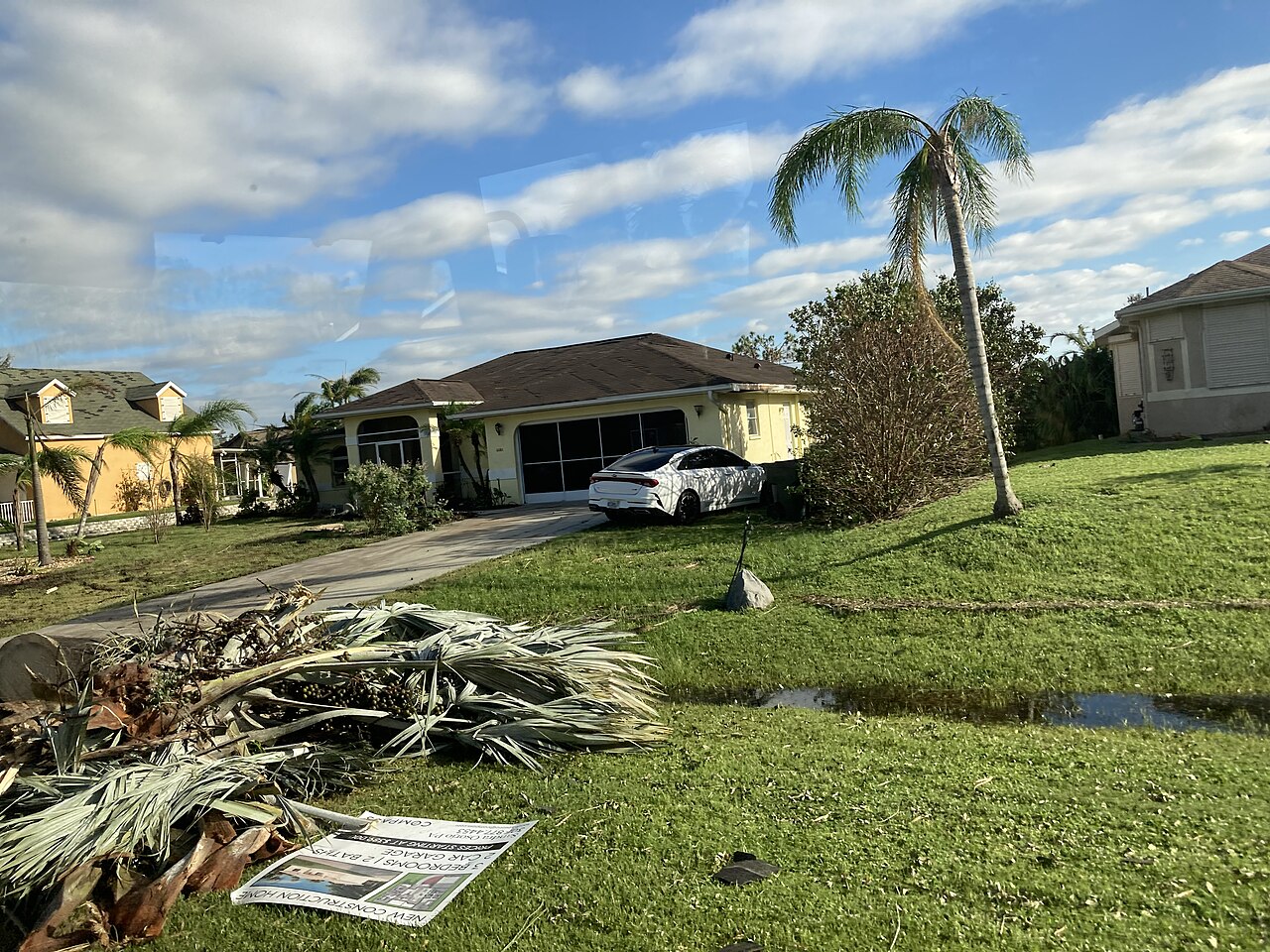
Strong winds can damage roofs, screens, trees, fences, docks, and outdoor structures. Heavy rain can expose leaks and drainage issues. Storm surge and flooding can create serious property damage in vulnerable areas. Power outages can last longer than expected. Loose items around the yard can become dangerous projectiles.
Because Cape Coral has so many waterfront homes, pool homes, lanais, canals, docks, and mature landscaping, preparation is not just about buying bottled water at the last minute.
It is about making sure the property itself is ready.
A few hours of preparation before a storm can help reduce damage, lower stress, and make recovery easier afterward.
1. Know Your Evacuation Plan First
Before worrying about shutters or patio furniture, make sure your household knows the plan.
Every Cape Coral homeowner should know:
- Whether the home is in an evacuation zone
- Whether the property is in a flood-prone area
- Where your family would go if evacuation is ordered
- How you would travel
- What you would bring
- How you would communicate if cell service is limited
- What you would do with pets
- What elderly relatives or medically vulnerable family members may need
Do not wait until a storm is close to figure this out.
If you live in an evacuation zone, a mobile or manufactured home, an RV, a flood-prone area, or rely on powered medical equipment, your plan may look very different from someone in a newer, well-built home outside of a high-risk area.
A good plan should answer one basic question:
If officials tell us to leave, where are we going and how fast can we be ready?
That answer should be clear before storm season gets busy.
2. Check Your Hurricane Shutters
Cape Coral homeowners should inspect hurricane shutters before they are needed.
Do not wait until a storm is approaching to discover missing hardware, stuck panels, unlabeled pieces, damaged tracks, or a shutter system you no longer remember how to install.
Before hurricane season, check:
- Do you know where all shutters are stored?
- Are panels labeled by window or door?
- Do you have the correct screws, wing nuts, anchors, or hardware?
- Are tracks clean and usable?
- Are accordion shutters opening and closing properly?
- Are roll-down shutters functioning?
- Are any shutters damaged or corroded?
- Can one person install them, or will you need help?
If you have metal panels, labeling each panel by room or window can save a lot of stress. A permanent marker, sticker system, or simple diagram can make installation much faster.
If your shutters are difficult to install, damaged, or missing parts, it may be worth calling a storm shutter professional or handyman before hurricane season peaks.
3. Inspect Windows, Doors, and Garage Doors
Windows and doors are major weak points during high wind and heavy rain.
Walk around the house and look for:
- Loose caulking
- Cracked seals
- Damaged weatherstripping
- Soft wood around frames
- Loose door hardware
- Gaps where water could enter
- Sliding glass doors that do not lock securely
- Garage doors that look weak, damaged, or poorly braced
The garage door deserves special attention. If it fails during a storm, wind pressure can enter the home and create more damage.
If your garage door is older, dented, loose, or not rated for strong winds, consider having it inspected.
Small fixes like replacing weatherstripping or sealing gaps may be manageable for many homeowners. Structural issues, impact upgrades, and garage door reinforcement are usually better left to professionals.
4. Look Over the Roof Before Storm Season
Your roof is one of the most important parts of hurricane preparation.
You do not need to climb on the roof to do a basic visual check. In fact, many homeowners should not climb on the roof at all. A quick inspection from the ground can still help you spot warning signs.
Look for:
- Missing shingles or tiles
- Cracked roof tiles
- Loose ridge caps
- Sagging areas
- Damaged flashing
- Stains on ceilings inside the home
- Water marks in the attic
- Loose gutters near the roofline
- Debris sitting on the roof
- Tree branches touching or hanging over the roof
If you notice damage before storm season, do not ignore it. A small roof issue can become a much bigger problem when heavy rain and wind arrive.
For anything beyond a basic visual inspection, contact a licensed roofing professional.
5. Clean Gutters and Check Drainage
Gutters, downspouts, and drainage areas matter during heavy rain.
If water cannot move away from the home, it can pool near the foundation, overflow into unwanted areas, damage landscaping, or contribute to moisture issues.
Before hurricane season, check:
- Are gutters clogged with leaves or debris?
- Are downspouts draining away from the home?
- Are splash blocks or extensions in place?
- Are drainage swales clear?
- Are yard drains blocked?
- Does water collect near doors, patios, or the garage?
- Are gutters loose or sagging?
Cape Coral homes can see heavy rainfall during summer storms, even without a direct hurricane impact. Keeping drainage areas clear is one of the simplest ways to reduce avoidable water problems.
If gutters are high, damaged, or hard to access safely, hire a professional instead of risking a fall.
6. Trim Trees and Remove Yard Debris
Loose branches and outdoor debris can become dangerous during strong winds.
Walk your property and look for:
- Dead branches
- Weak limbs
- Trees touching the roof
- Palm fronds hanging loose
- Yard waste piles
- Broken outdoor furniture
- Loose planters
- Old lumber or construction materials
- Unsecured decorations
- Items stored along fences or sheds
Trim what you can safely handle and remove debris before storms become a threat.
Do not wait until the final days before landfall. Yard waste pickup may change before a storm, and piles of debris left near the curb can become a problem if they are not collected in time.
Large trees, high branches, and anything near power lines should be handled by professionals.
7. Secure Outdoor Furniture and Patio Items
Cape Coral homes often have lanais, patios, pool decks, boat docks, grills, umbrellas, outdoor kitchens, potted plants, and backyard furniture.
Those items can cause damage during high winds if they are left unsecured.
Before a storm, bring inside or secure:
- Patio chairs
- Tables
- Umbrellas
- Pool toys
- Lounge chairs
- Outdoor rugs
- Grills
- Planters
- Garden tools
- Trash cans
- Decorations
- Small storage boxes
- Pool equipment accessories
- Dock items
- Loose fencing materials
If it can move in strong wind, it should not be left loose outside.
This is one of the easiest and most overlooked parts of hurricane preparation.
8. Prepare Your Pool and Lanai
Pool homes are common in Cape Coral, so pool prep deserves its own section.
Before a storm, homeowners should:
- Remove loose pool toys and floats
- Secure patio furniture
- Bring lightweight items indoors
- Check screen enclosure doors and latches
- Clean debris from the pool area
- Avoid placing heavy furniture in the pool unless specifically advised by a professional
- Make sure pool equipment is secure
- Turn off pool equipment if instructed to do so
- Take photos of the pool area before the storm
After a storm, do not immediately enter a dirty or flooded pool. Debris, electrical hazards, broken screens, and chemical imbalance can make cleanup more complicated.
If the pool is full of debris, green, contaminated, or the equipment is damaged, call a pool professional.
9. Check Your Dock, Boat Lift, or Waterfront Area
If you own a waterfront home in Cape Coral, hurricane prep should include your dock, boat lift, seawall area, and marine equipment.
Before hurricane season, check:
- Loose boards
- Rusted hardware
- Lift cables
- Boat lift motors
- Dock boxes
- Electrical connections
- Loose ladders
- Cleats and lines
- Seawall cracks or shifting
- Items stored near the water
If a storm is approaching, secure or remove loose waterfront items early.
Boat owners should also have a plan for where the boat will be stored, how it will be secured, and whether the lift or dock is safe enough for the expected conditions.
Marine electrical work, boat lift repairs, seawall concerns, and structural dock issues should be handled by qualified professionals.
10. Prepare Your Generator Safely
A generator can be helpful after a power outage, but it can also be dangerous if used incorrectly.
The biggest danger is carbon monoxide, which is odorless and can be deadly.
Basic generator safety rules:
- Never run a generator inside the home
- Never run a generator in the garage
- Never run it in a lanai or enclosed area
- Keep it far away from windows, doors, and vents
- Use properly rated outdoor extension cords
- Keep it dry and protected from direct rain
- Let it cool before refueling
- Use carbon monoxide detectors inside the home
- Never backfeed power through a wall outlet
If you want a generator connected directly to your home’s electrical system, hire a licensed electrician to install a transfer switch or approved setup.
Do not improvise with electricity during a power outage.
11. Build an Emergency Supply Kit
Every Cape Coral household should have basic emergency supplies ready before a storm forms.
A good kit may include:
- Drinking water
- Non-perishable food
- Manual can opener
- Flashlights
- Extra batteries
- Battery-powered radio
- Phone chargers
- Portable power banks
- First aid kit
- Prescription medications
- Pet supplies
- Baby supplies if needed
- Hygiene items
- Hand sanitizer
- Insect repellent
- Sunscreen
- Work gloves
- Trash bags
- Basic tools
- Important documents
- Cash
- Extra glasses or contacts
- Copies of insurance information
Do not build your kit around food your family will never eat. Choose practical items you can rotate through the pantry over time.
For water, a common rule of thumb is to keep at least one gallon per person per day, with extra for pets, cooking, and basic washing.
12. Organize Insurance and Important Documents
After a storm, paperwork matters.
Before hurricane season, organize:
- Homeowners insurance policy
- Flood insurance policy
- Windstorm coverage information
- Auto insurance
- Health insurance cards
- IDs and passports
- Property records
- Mortgage documents
- Photos of valuables
- Receipts for major purchases
- Contractor records
- Emergency contacts
- Medication lists
- Pet records
Store digital copies in secure cloud storage and keep physical copies in a waterproof container.
Also take updated photos and videos of your home before a storm. Walk through each room, closets, garage, exterior, pool area, roofline from the ground, dock, fence, shed, and major belongings.
This can make insurance conversations easier if damage occurs.
13. Make a Simple Home Inventory
A home inventory does not have to be complicated.
Use your phone and record a slow video walkthrough of the home.
Capture:
- Furniture
- Electronics
- Appliances
- Tools
- Clothing
- Jewelry
- Outdoor equipment
- Pool equipment
- Garage items
- Patio furniture
- Dock or boating equipment
- Recent upgrades or renovations
Narrate the video as you walk. Mention brands, approximate purchase dates, or details where helpful.
This may feel like overkill, but after a major storm, it is easy to forget what was damaged or lost.
14. Prepare for Power Outages
Power outages can affect food, comfort, medical needs, communication, security, and daily routines.
Before hurricane season:
- Charge power banks
- Test flashlights
- Replace old batteries
- Check battery-powered fans
- Have coolers ready
- Freeze water bottles before a storm
- Keep refrigerator and freezer doors closed during outages
- Have a plan for refrigerated medications
- Know where you could go if the home becomes too hot
- Keep vehicles fueled when a storm is approaching
If someone in the household relies on powered medical equipment, make a backup power and evacuation plan early.
Do not assume power will return quickly.
15. Know When to Call a Professional Before the Storm
Some hurricane prep is easy DIY work. Some of it is not.
You may want to call a professional if you need:
- Roof repairs
- Storm shutter installation or repair
- Tree trimming near the home
- Generator installation
- Electrical work
- Garage door reinforcement
- Gutter repair
- Screen enclosure repair
- Dock or boat lift inspection
- Seawall evaluation
- Large debris removal
- Handyman help for shutters or minor repairs
The key is calling early.
The closer a storm gets, the harder it becomes to find available help.
16. What to Check After the Storm
Once the storm has passed, do not rush outside before it is safe.
After conditions improve, check the property carefully.
Look for:
- Roof damage
- Missing shingles or tiles
- Ceiling stains
- Water intrusion
- Broken windows
- Damaged shutters
- Fallen branches
- Leaning trees
- Fence damage
- Pool cage or screen damage
- Flooding
- Electrical hazards
- Damaged gutters
- Dock or seawall damage
- Pool debris
- Generator issues
Take photos before moving or repairing anything, especially if you may file an insurance claim.
Avoid standing water, downed power lines, unstable trees, damaged structures, and electrical equipment that may have gotten wet.
If your home has structural damage, flooding, major roof damage, electrical issues, or suspected mold, call the appropriate professional.
17. Do Not Ignore Permits After Storm Damage
After a storm, it can be tempting to start repairs immediately.
Some emergency cleanup may be necessary, but homeowners should be careful with repair work that requires permits.
Roof repairs, electrical work, plumbing work, structural repairs, drywall replacement, flooring, cabinets, flood damage repairs, and other work may require permits depending on the situation.
If you are hiring a contractor, make sure they are properly licensed and pulling the required permits.
If you are acting as your own contractor, check local requirements before starting.
Skipping permits can create problems with insurance, future inspections, code compliance, and resale.
18. Simple Hurricane Prep Timeline
Before Hurricane Season
- Review insurance
- Make an evacuation plan
- Check shutters
- Inspect roof from the ground
- Trim trees
- Clean gutters
- Test generator
- Build emergency kit
- Photograph the home
- Save important documents
When a Storm Is Possible
- Watch official updates
- Fuel vehicles
- Refill prescriptions
- Charge devices
- Check supplies
- Review evacuation options
- Secure loose outdoor items
- Contact pros early if urgent repairs are needed
When a Storm Is Approaching
- Install shutters
- Bring in patio furniture
- Secure pool and lanai items
- Move valuables away from vulnerable areas
- Prepare coolers
- Set refrigerator and freezer colder
- Follow evacuation orders
- Keep phones charged
- Stay indoors once conditions worsen
After the Storm
- Wait until it is safe to go outside
- Photograph damage
- Avoid floodwater and downed power lines
- Check roof, windows, pool, dock, and yard
- Contact insurance if needed
- Use generators safely
- Hire licensed professionals for major repairs
- Check permit requirements before rebuilding
Final Thoughts
Preparing your Cape Coral home for hurricane season does not have to be complicated, but it does need to be done before a storm is on the way.
Start with the basics: know your evacuation plan, check your shutters, inspect your roof from the ground, clean gutters, trim trees, secure outdoor items, prepare your generator safely, organize important documents, and build an emergency supply kit.
For many homeowners, simple preparation can reduce stress and prevent avoidable damage.
For bigger issues like roof repairs, electrical work, tree trimming, storm shutters, generator installation, screen enclosure repairs, dock work, or structural damage, calling a professional early is usually the safer move.
CapeCoralNow is not currently recommending a specific local company for hurricane preparation or storm repairs. As this resource grows, we may feature trusted Cape Coral providers in the future.
For now, use this guide to get prepared, stay organized, and know when professional help makes sense.
Frequently Asked Questions
When should Cape Coral homeowners start preparing for hurricane season?
Homeowners should start preparing before hurricane season gets active. The best time to check shutters, trim trees, clean gutters, review insurance, and build supplies is before a storm is in the forecast.
What should I do first to prepare my home for a hurricane?
Start with your evacuation plan, then inspect shutters, windows, doors, roof, gutters, outdoor furniture, trees, and emergency supplies. The goal is to reduce wind damage, water intrusion, power outage problems, and last-minute stress.
Should I install hurricane shutters myself?
Many homeowners can install basic panel shutters if they are comfortable doing so and have the right hardware. If shutters are heavy, damaged, difficult to install, or located on upper levels, it may be safer to hire help.
Is it safe to use a generator during a hurricane outage?
Generators can be useful, but they must be used safely. Never run a generator indoors, in a garage, in a lanai, or near windows, doors, or vents. If you want a generator connected to your home electrical system, hire a licensed electrician.
When should I call a professional for hurricane prep?
Call a professional if you need roof repairs, tree trimming near the home, storm shutter repair, generator installation, electrical work, garage door reinforcement, screen enclosure repair, dock inspection, or any work that could be unsafe or require permits.